
By Drew and Christine Morgan | MORGANHOMES
For nearly 30 years, Christine and I have been proud to call Belmont home. We should mention up front that we could be exempt from this tax proposal.
Throughout those years, we have consistently supported investments that strengthen our community, particularly ballot measures providing funding for our public schools.
Although we don’t have children attending Belmont schools, we have always understood the importance of maintaining a strong public education system. Beyond the educational benefits to students and families, our experience as owners of a local real estate company has taught us something important: The quality of our schools, public facilities, and community services directly contributes to Belmont’s desirability and the long-term value of its homes.
We also supported the Mello-Roos financing that helped make our beautiful Belmont Library a reality. It remains a valuable community resource, benefiting residents of all ages, including those who may never personally use its services.
We believe these investments help make Belmont the community it is today.
We share this history because we want to make something clear.
Supporting our community does not mean we should automatically support every proposal. Good intentions are important, but responsible financial planning, transparency, and taxpayer accountability are equally essential.
That brings us to Belmont’s Measure Y, appearing on the November 3, 2026 ballot.
What Measure Y Proposes
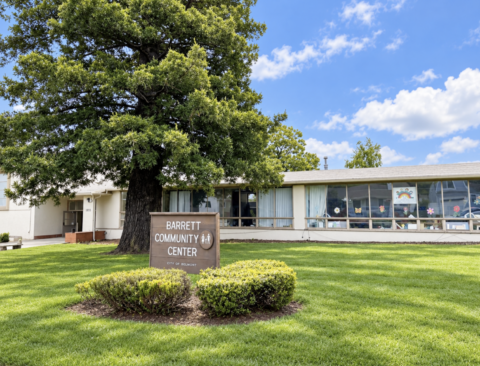
Measure Y would establish a dedicated property tax intended to finance the replacement of the aging Barrett Community Center, along with its future operations, maintenance, staffing, and community programs.
The existing facility is more than 75 years old, and there are legitimate reasons to consider replacing it. A modern community center could provide improved recreation facilities, childcare, senior programs, and emergency preparedness services.
We recognize those benefits.
Our concern is not primarily what Measure Y seeks to accomplish. It’s how the measure has been written and the long-term financial obligations it would place on Belmont property owners.
What Would Measure Y Cost?
The proposed tax would initially be assessed at:
- $0.33 per square foot of residential improvements.
- $0.54 per square foot of other taxable improvements.
A homeowner with 2,000 taxable square feet would pay approximately $660 annually. A 3,000-square-foot home would incur an additional $990 each year.
Importantly, taxable square footage is defined under the ordinance and may differ from the living area commonly reported by county records.
Qualifying owner-occupants age 65 and older are exempt, if they so choose—but not automatically. They would be eligible for an exemption, provided they reapply each year.
The measure is projected to generate approximately $7.1 million annually.
But that is only the beginning of the financial discussion.
An Ongoing Tax Without a Sunset Date
One of our greatest concerns is that Measure Y has no expiration date.
According to the proposed ordinance, the tax would begin July 1, 2027, and continue until ended by voters.
Additionally, beginning with the 2028–29 tax year, the City Council could increase the tax annually, up to the greater of two specified inflation or personal-income growth measures,without requiring another public vote.
In other words, Belmont property owners would be approving a financial obligation that could continue indefinitely and increase over time.
Consider the difference between Measure Y and the financing used for our Belmont Library.
The library’s Mello-Roos construction bonds, issued in 2004, have a defined repayment schedule and are scheduled to mature in August 2030. The library district also provides funding for ongoing maintenance and operations, so the entire library tax should not be confused with the construction bond repayment period.
Nevertheless, the library demonstrates the importance of identifying and distinguishing capital financing from continuing operating expenses.
We believe Measure Y should provide that same clarity, including a provision requiring voters to reconsider the tax after a defined period or a mechanism for reducing it once construction financing has been satisfied.
Where Is the Final Construction Budget?
In 2022, Belmont’s architectural consultants estimated that constructing the proposed community center and associated amenities would cost approximately $67.6 million to $69.3 million.
Those estimates are now several years old.
Measure Y does not establish a binding construction budget, a guaranteed completion date, or a specific division of tax revenue between construction financing and ongoing operations.
Supporters reasonably point out that a community center requires continuing funding to operate and maintain it after construction.
We agree.
But before approving a permanent source of revenue, we believe taxpayers deserve to know the projected total cost of the project, how it will be financed, and how much the facility is expected to cost annually to operate.
More importantly, what happens to the tax when construction costs have been paid?
Those questions deserve clear answers before voters make a long-term financial commitment.
What About Independent Oversight?
Another important concern involves financial accountability.
The official ballot materials state that Measure Y requires annual audits. However, the actual ordinance deserves closer examination.
Section 23-315, titled Annual audit, directs the City’s Director of Finance to prepare and file an annual report with the City Council verifying the collection, administration, and application of the special tax.
What the ordinance does not expressly require is a separate audit conducted by an independent outside accounting firm specifically for Measure Y, nor does it establish an independent citizen oversight committee.
This distinction matters.
Belmont already has an example of how independent citizen oversight can work.
The City’s existing Measure I Advisory Committee consists of five community members appointed to review and evaluate revenue collections, expenditures, and the associated independent audit work for Belmont’s Streets and City Services Measure.
Why not establish a similarly structured citizen oversight committee for Measure Y?
We aren’t suggesting that funds would necessarily be misused. In fact, Measure Y specifically restricts revenues to authorized community center purposes.
But there is a fundamental difference between restricting how money may be spent and establishing an independent process to verify that those expenditures are appropriate, efficient, and consistent with the commitments made to voters.
Accountability should be built into the measure itself, not left to future discretion.
What We Would Like to See Instead
We believe a more clearly defined funding proposal would give Belmont voters greater confidence.
Such a proposal could establish a current, independently reviewed construction budget, clearly separate construction financing from operating expenses, provide meaningful outside financial oversight and citizen review, and include a defined time for reassessing the tax.
It could also identify the circumstances under which tax rates should be reduced once the community center’s construction obligations have been met.
These are not unreasonable expectations. They are the kinds of safeguards that deserve consideration whenever taxpayers are asked to approve a substantial, long-term financial obligation.
Investing in Belmont’s Future—Responsibly
We have supported Belmont’s schools, library, and community improvements throughout our decades of living and working here because we believe those investments matter.
They help define the character of our city, enhance our quality of life, and contribute to the strength of our local real estate market.
That philosophy has not changed.
We recognize that Barrett Community Center is aging and that improvements are needed. We are not opposed to replacing it simply because doing so would require public funding.
However, we cannot support Measure Y as it is presently written.
Our objection is not to the services a new community center could provide. It is to approving an indefinite, inflation-adjustable tax without a clearer financial plan, a sunset or mandatory review provision, and independent citizen oversight established in the measure itself.
We believe Belmont residents deserve better-defined financial commitments before being asked to approve a tax that could continue for generations.
Investing in our community and protecting the financial interests of its homeowners should never be mutually exclusive.
Belmont deserves both.
Drew and Christine Morgan

MORGANHOMES, Inc.
Helping People Make Good Decisions